 | 1 LU |
Date/Time: November 6, 2026 | 9:00 – 10:00 am
Room: YAKIMA 1
Abstract: Across the country, districts are reworking the high school experience to better connect learning to real careers through CTE pathways, specialized academies, and deeper industry partnerships. This shift is being driven by a simple reality: many students and families are no longer convinced that a one-size-fits-all comprehensive high school model reliably leads to opportunity. At the same time, emerging tools and fast-moving workforce demands are changing what “job-ready” even means.
This conversation is about far more than traditional “shop” programs. Today’s pathway campuses include health and human services, public safety, engineering and applied sciences, aviation and transportation, animal care, digital production, and other career-themed models that blend rigorous academics with hands-on learning. Many are structured around internships, apprenticeships, and job placements that earn school credit, making the campus plan as much about community partnerships, transportation, scheduling, and student support as it is about labs and equipment.
This panel brings together the perspectives needed to make sense of the moment and its facility implications: district leaders implementing specialty pathway schools at scale, a planner who helps districts translate educational strategy into long-range capital plans, and a researcher tracking outcomes and trends behind these models. Together, they will share what’s working, what’s challenging, and what AEC teams and school systems should be asking before they commit to buildings that will last for decades.
Panelists will explore:
The discussion will connect program strategy to practical planning moves such as space standards, site selection, bond prioritization, shared resources, and right-sizing flexibility without diluting the identity and credibility of specialized learning.
Learning Objectives:
Educational Visioning
Facilitating the translation of educational goals/vision into school design requirements.
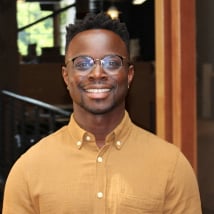
Dennis is a thoughtful, future-focused planner and trained urban designer whose work centers on the relationship between education and community. He specializes in K-12 facility planning and higher education campus planning, helping institutions envision environments that support learning, connection, and long-term community impact. Dennis brings a collaborative and visionary approach to planning, driven by a passion for education’s role in shaping resilient, thriving communities

Zach is an entrepreneurial leader in innovative public education based in Tacoma, WA. Currently with the Science and Math Institute, Zach specializes in bridging the gap between traditional schooling and real-world application. With a background spanning education, music production, and leadership, he holds an Ed.D. from Johns Hopkins University. Zach is recognized for his ability to foster collaboration and build creative, impactful learning environments for both students and educators.
Kristin has over 10 years of experience leading the development and implementation of innovative new pathways programs across Pierce and King Counties.

Julia is a dynamic educational leader with 20+ years of experience transforming secondary learning through innovative school models, competency-based education, and career-connected learning. She’s led the design and opening of Gibson Ek HS, public microschools, and built mastery-based assessment systems — all centered-on student voice, agency, real-world connection. Currently, she’s designing a HS for 700 students. A skilled facilitator of cross-district collaboration and human-centered design, Julia brings vision and partnership to every initiative she leads.
 |
Seattle Convention Center
705 Pike Street
Seattle, WA 98101
November 4-7, 2026
Email: donna@a4le.org
+1 480.391.0840