 | 1.5 LU | HSW |
Date/Time: November 7, 2026 | 10:15 – 11:45 am
Room: YAKIMA 1
Abstract: When wildfire strikes a school community, recovery is more than rebuilding classrooms—it is about restoring stability, identity, and hope. Following the 2025 Palisades Fires, schools faced an urgent challenge: how to respond quickly to keep students learning, communities connected, and trust intact, while planning for a safer, more resilient future.
This workshop shares the story of a district’s journey from immediate crisis response to long-term rebuilding. Speakers will discuss rapid mobilization and temporary school relocations that prioritized keeping students in school, recognizing that academic success, social-emotional well-being, and a sense of normalcy are deeply tied to continuity. Drawing from post-disaster research the session highlights a critical insight: communities that remain intact recover faster, while displacement that fractures social networks can cause lasting harm. Schools and neighborhood spaces emerge as powerful anchors for collective return and resilience.
Participants will explore how these lessons shaped a forward-looking planning and design process—one that balances speed with intention, strengthens relationships with families and educators, and integrates indoor-outdoor learning environments that support adaptability and well-being. Through interactive exercises, attendees will engage with adaptable planning frameworks, community engagement strategies, and resilient design principles that can be applied by districts facing climate-related disruptions anywhere.
Learning Objectives:
Educational Facility Pre-Design Planning
Manages a master planning process that combines educational planning, facilities assessment and utilization, demographic research, capital planning and educational specifications with a community based vision to establish a plan for learning environments.
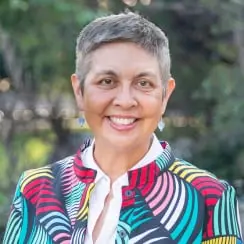
Julia has been working for school districts for over 20 years to positively impact the learning experiences of the students she serves. As director of planning, she manages the planning of projects transforming existing school sites and leads the effort to align LAUSD’s design standards and educational specifications with its instructional vision. In her professional and personal efforts, Julia advocates for inspiring learning environments that provide all children the opportunity to learn, grow, and dream.

Michael is Design Director at NAC Architecture, advancing empathic, humane design rooted in social purpose. His work sits at the intersection of community engagement, applied research, and strategic thinking, grounded in real-world constraints and lived experience. He leads design teams through active listening to clients, users, and communities. As a lecturer and design advocate, he focuses on improving the human experience for students and communities. He holds degrees from Penn State University and SCI-Arc.

Alenoush leads DLR Group’s K–12 Education studio in LA, specializing in future-ready learning environments that inspire and support young learners. She is passionate about shaping impactful educational spaces that align with student needs and district goals. Alenoush excels in visioning and programming, leading dynamic design charrettes, and building strong relationships with school districts across Southern California. Her perspective enriches the design process, and she is deeply committed to mentorship and empowering the next generation.

Greg is an architect and educator based in Los Angeles and Partner / Director of Design at Practice. His work focuses on educational environments and institutions that expand equitable access to learning and strengthen community resilience. His work integrates trauma-informed, community-centered design to create spaces that foster safety, curiosity, dignity, and belonging. Collaborating with districts, colleges, agencies, and partners, he advances architecture as a tool for educational innovation, equity, and lasting public impact.
 |
Seattle Convention Center
705 Pike Street
Seattle, WA 98101
November 4-7, 2026
Email: donna@a4le.org
+1 480.391.0840